

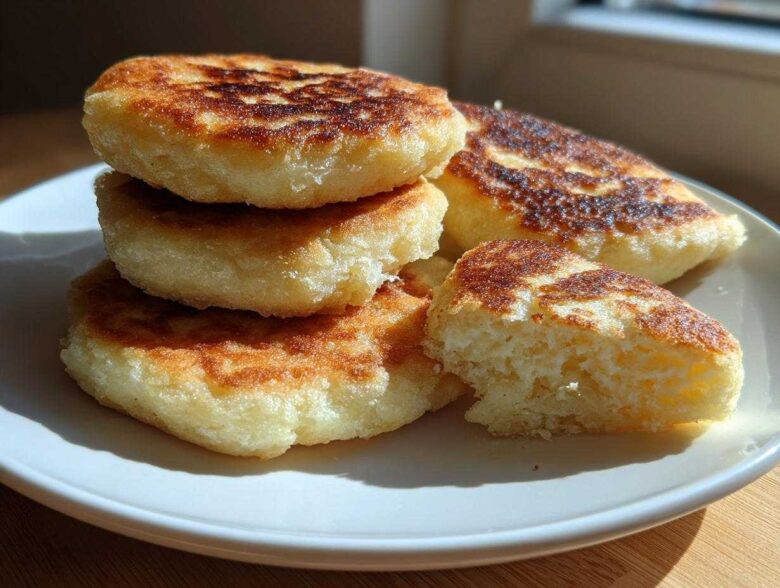
There is simply nothing that beats a proper, hearty start to the day, especially when you’re channeling those cozy, rustic Irish vibes. Forget fancy brunch specials; the real deal is built on simple, comforting staples. If you’re like me and always have sad, lonely piles of leftover mashed potatoes staring back at you from the fridge, I have the ultimate solution that saves breakfast and tastes incredible. We are making authentic irish potato farls!
These beauties are quick, easy, and turn yesterday’s mash into crispy-edged, fluffy delights in under 15 minutes. I always whip up a batch when I’m planning a proper Friday morning fry-up, getting that perfect combination of salty bacon, eggs, and a few hot farls slapped on the pan. Trust me, this is the cornerstone of any real Traditional Irish Breakfast, and you won’t believe how quickly they come together. They are honestly a go-to when I need something satisfying fast, almost as fast as my cheddar and egg oatmeal!
What Are Irish Potato Farls and Why You Need This Easy Potato Farls Recipe
So, what exactly are we making here? Simple! Irish potato farls—sometimes called potato bread or griddle cakes—are traditional flatbreads originating mostly from Northern Ireland. Think of them as a glorious, savory pancake hybrid, usually made from leftover mashed potato mixed with flour and a touch of butter. They are a staple, especially at breakfast time, and they are the best way to recycle those potatoes sitting lonely in the fridge.
What sets them apart is the texture we are aiming for. We don’t want soft, pillowy bread; we want them golden and wonderfully crispy around the edges, but still beautifully soft and fluffy right in the middle. If you’re looking for the absolute best way to make these at home, you need my Easy Potato Farls Recipe. They go perfectly alongside all the usual suspects on a full cooked breakfast spread. If you love homemade breads, you have to check out some other great things happening in my breakfast category!
Expert Tips for Perfect Irish Potato Farls Texture
The trick to nailing that famous crisp-fluffy duality comes down almost entirely to your starting material. You absolutely must use cold, plain mashed potatoes. I cannot stress this enough! If your mash has milk, cream, or eggs mixed into it already, the dough will be sticky and too wet, and you won’t get that beautiful, defined shape.
Your mash should basically be potato and salt—maybe a tiny bit of butter if you made it fresh. Cold mash holds its structure much better when you mix in the flour. This ensures your final irish potato farls don’t turn into a sad, greasy puddle when they hit the hot pan. It’s a small step, but honestly, it’s the lifeline of this whole recipe.
Gathering Ingredients for Authentic irish potato farls
You won’t believe how simple the ingredient list is for these! That’s what I love about truly traditional recipes; they rely on basic, good quality items. Forget complicated spice jars—we are sticking to the core flavor profile that makes these so beloved. You’ll need exactly two cups of those cold mashed potatoes we talked about. Alongside that, you’ll grab some all-purpose flour, a little salt for seasoning, and crucially, some baking powder to give these just a tiny lift.
My absolute favorite part of gathering these things is the butter. It has to be cold, diced into tiny little cubes! That cold butter is what helps create those lovely flaky layers when we cut it into the dry mix. These simple components combine to make the most amazing Homemade Irish Potato Bread you’ll ever try. Honestly, you probably have most of this stuff hanging around right now!
Ingredient Notes and Substitutions for irish potato farls
Let’s talk shop about the mash again, because this is non-negotiable for great texture. Make absolutely sure your two cups of mashed potato do not have any added milk, cream, or extra eggs floating around in them. That liquid will turn your farls heavy and they won’t crisp up properly.
For the butter, unsalted is best so we can control the saltiness, but if you’re stuck, salted works fine—just reduce the added salt in the recipe slightly. If you happen to be out of butter, yes, you can use margarine, but honestly, you lose some of that rich, authentic flavor that makes these so comforting. It’s worth the trip to the store for the real stuff for this recipe!
How to Prepare irish potato farls: Step-by-Step Instructions
Alright, now for the fun part where we transform that cold potato pile into dough! This recipe moves fast because we aren’t relying on yeast or rising time; it’s pure culinary efficiency. First thing’s first: get those dry things—the flour, the salt, and the baking powder—mixed together in a nice big bowl. Next, toss in your cold, cubed butter right on top of the dry mix and the cold mashed potatoes.
This is where things start to look rustic! You want to gently work that cold butter into the potato and flour mixture. I use my fingertips because I can feel the texture best, squeezing the butter until it blends in and the whole thing looks a bit like rough breadcrumbs. Then, and this is where my big secret comes in for making perfect irish potato farls, gently bring it all together with your hands just until a loose dough appears. Don’t knead it like you’re making bread; we want it handled as little as possible!
Once that soft dough is ready, flour up a clean surface really well. Pat the dough out into a rough circle about half an inch thick—don’t fuss too much about perfect edges. Then, take a sharp knife and cut that circle into four equal wedges. Voilà! Those are your farls, ready for the heat. If you want to save some for later, I have some great tips for freezer-friendly breakfast sandwiches that might inspire you to double the batch!
Mixing the Dough Without Overworking for Fluffy Potato Pancakes
This is my number one piece of advice for achieving those light, non-gummy results: be gentle! When you are mixing the flour and potato, you are developing gluten, and too much gluten makes for tough, chewy bread instead of soft, Fluffy Potato Pancakes.
We are just mixing until the dough *just* comes together. As soon as you can squeeze it and it holds its shape, stop mixing with your hands. If you work it too hard, all those beautiful air pockets we want inside for that fluffy texture get squeezed right out, leaving you with dense, hard rounds. Feel the dough, don’t punish it!
Cooking Your irish potato farls on the Griddle
Now that you have your beautiful wedges ready, it’s time for the magic to happen on the heat! You don’t need any oil or butter in the pan to start! I use a heavy cast-iron skillet or a flat griddle, and I heat it over medium heat. The dry heat is essential for that authentic exterior. Once the pan is warm—not smoking hot, just nicely warm—lay your farls down gently.
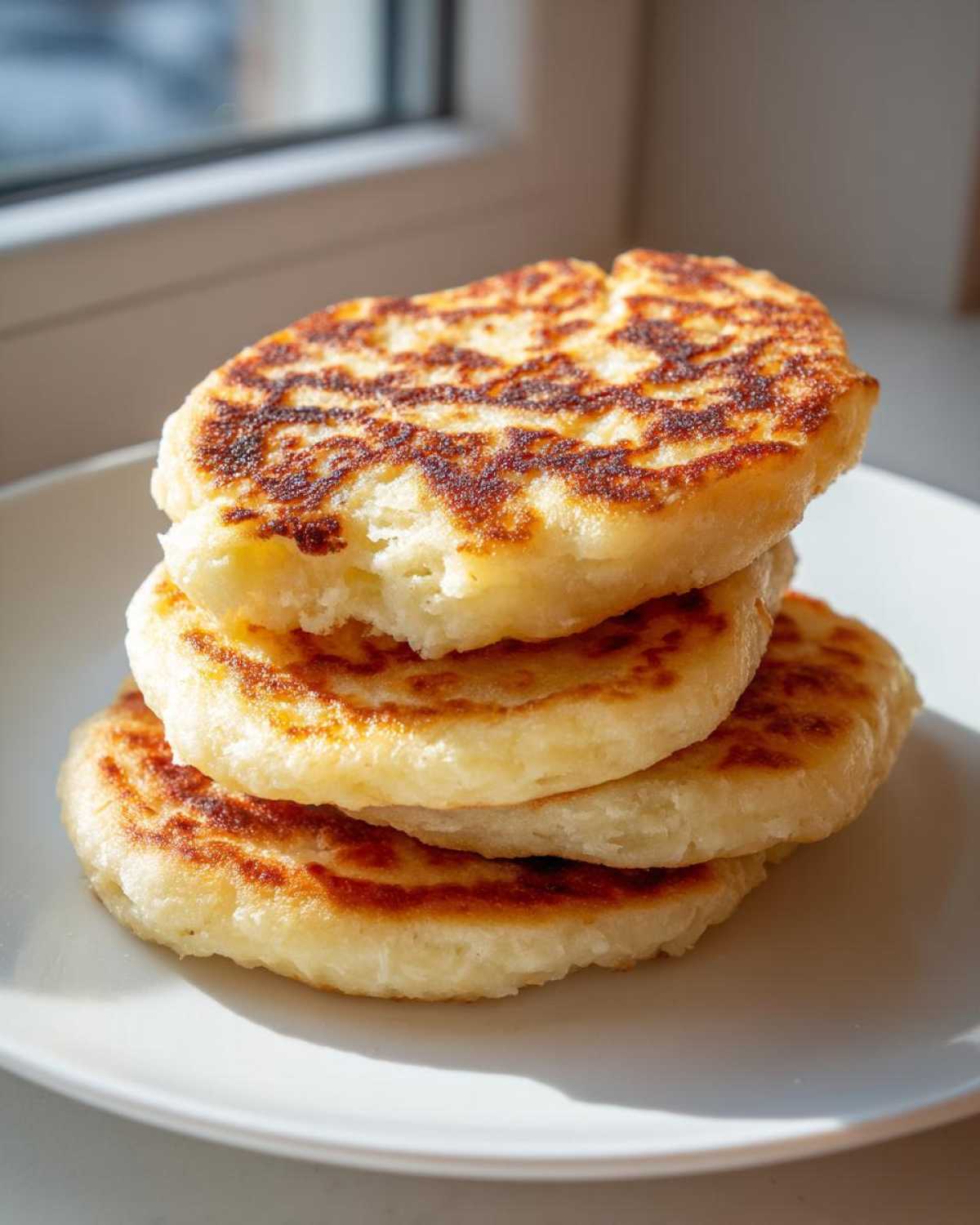
They need a good 5 to 7 minutes on that first side. You are looking for that deep, lovely golden-brown crust to form. Flip them over carefully with a thin spatula. The second side usually takes about the same amount of time. These Pan Fried Potato Cakes are ready when they are heated right through to the middle and beautifully colored outside. Don’t rush the heat; we want that perfect crust!
Achieving Crispy Potato Cakes Every Time
My secret to getting truly Crispy Potato Cakes without burning them is all about managing the heat *after* the initial contact. I usually start on a solid medium heat just to sear them and get that crust going. Once they look beautifully golden on the first side, I drop the heat down just a tiny bit—maybe to medium-low—before flipping for the second side.
This slow-down allows the center to get fully cooked and fluffy while the outside maintains that wonderful, crisp texture we are chasing. If they look like they are browning too fast before the middle is warm, just turn that burner down right away!
Serving Suggestions for Your Authentic Irish Side Dish
Okay, you’ve got these gorgeous, buttery, golden rounds cooling on a plate—what do you eat them with? This is where the comfort food truly shines! If I’m sticking to the classic route, these farls are essential for a proper Traditional Irish Breakfast. Think piping hot rashers of back bacon, a fried egg dripping yolk, maybe even a couple of rich sausages or white pudding if you can find it.
But don’t stop there! They are amazing just split open and smothered with a thick layer of good Irish butter while they are still steaming hot. If you’re feeling a little sweeter—which I often do on a Sunday morning—a dollop of sharp raspberry jam or even some sticky honey works wonders. They are sturdy enough to handle any topping you throw at them. If you’ve run out of savory ideas, maybe check out my apple cinnamon French toast bake for another great morning treat!
Making irish potato farls Ahead of Time and Storage
One of the best things about these irish potato farls is that they are brilliant for making ahead of time for busy mornings. If you make the dough all the way up to the cutting stage, you can wrap those raw wedges tightly in plastic wrap and pop them in the fridge for up to two days. They freeze beautifully too! Wrap them individually and they’ll keep for about a month.
Now, the key is reheating them properly. Please, for the love of goodness, do not microwave them! Microwaved potato bread tastes like glue. The best way is to reheat them on a dry skillet or griddle over medium heat until they are piping hot and the outside has regained that lovely crispness we worked so hard to achieve. It only takes a few minutes, and it brings them right back to life. If you’re looking for other make-ahead options, my sweet potato sausage hash is a fantastic batch-cook recipe!
Frequently Asked Questions About irish potato farls Recipe
Since everyone wants to make sure their irish potato farls recipe turns out perfectly authentic (and fluffy!), I get asked a lot of questions while I’m baking. It’s great that you’re being careful about the details—that’s how you make the best Comfort Food Recipes!
Here are some of the things I hear most often when people are trying to master these Irish Griddle Cakes for the first time.
Can I use instant mashed potatoes in this Quick Breakfast Breads recipe?
You *can*, but I really advise against it if you want that rustic, authentic texture. Instant potatoes tend to absorb liquid differently and often have added stabilizers. They almost always result in a much denser, slightly drier farl. For the best, fluffiest result that truly honors these Quick Breakfast Breads, stick to real potatoes that you’ve mashed yourself.
What is the difference between Farls and Irish Soda Bread?
That’s a great question that confuses a lot of people! Soda bread is a true loaf, usually baked in the oven, and it relies solely on baking soda (and buttermilk) for its lift. Farls, on the other hand, are griddle-cooked, much flatter, and traditionally use some leftover mash, which changes the overall texture completely. Farls are generally much more tender and slightly less sour than a classic soda bread.
What is the best way to reheat leftover farls?
Like I mentioned, skip the microwave at all costs! If you have leftovers, the best way to revive them is tossing them back onto a dry griddle or heavy skillet over medium heat for about three minutes per side. This re-crisps the exterior perfectly. You can also brush them with a tiny bit of melted butter if they seem a little dry while reheating.
Can I add cheese or herbs to make a savory variation?
Absolutely! While the traditional version is kept plain so it pairs well with everything else in a Traditional Irish Breakfast, farls are a great vehicle for savory mixes. Once your dough is formed (before cutting!), gently fold in some sharp cheddar cheese, chopped chives, or even a pinch of black pepper. Just remember, adding anything extra might slightly change how long they take to cook through, so watch your heat carefully!
If you have more questions about getting these just right, feel free to pop over to my About Us page and drop me a line!
Nutritional Snapshot for Buttery Potato Bread
For those keeping an eye on the numbers, here’s a rough breakdown of what you can expect from one standard farl made according to this recipe. Remember, since we are using leftover mash, the exact figures might shift slightly based on how much salt or butter was in your original potatoes. These figures are just an estimate to give you a good starting point for enjoying this lovely Buttery Potato Bread!
- Serving Size: 1 farl
- Calories: Approximately 250
- Total Fat: About 6g
- Saturated Fat: Roughly 3.5g
- Carbohydrates: Around 45g
- Protein: About 6g
- Sodium: Approximately 350mg (This varies wildly based on your salt usage)
- Fiber: Around 3g
For the most precise calculations, especially if you’re adjusting ingredients, you might want to consult a separate nutrition calculator. You can always check out my full disclaimer here for more info on nutrition estimates!
Share Your Rustic Irish Kitchen Traditions
There is nothing I love more than seeing my kitchen traditions find their way into yours. These irish potato farls are truly special—simple, hearty, and bringing a little bit of Irish comfort to your table, no matter where you are in the world. They make such a quick morning starch!
I really hope you give this recipe a go, whether you serve them classically with fried eggs or try them out smeared thick with a bit of jam. Once you make them, please come back and tell me how you liked them! Rate the recipe below, and if you snap a picture of your golden brown Pan Fried Potato Cakes, tag me on social media. I always love seeing how you bring these Rustic Irish Kitchen Traditions to life. Feel free to reach out on my Contact page if you have any final thoughts!
PrintAuthentic Irish Potato Farls
Make traditional Irish Potato Farls using leftover mashed potatoes. These pan-fried potato cakes are crispy outside and fluffy inside, perfect for breakfast.
- Prep Time: 10 min
- Cook Time: 15 min
- Total Time: 25 min
- Yield: 4 servings
- Category: Breakfast
- Method: Griddling
- Cuisine: Irish
- Diet: Vegetarian
Ingredients
- 2 cups cold mashed potatoes (plain, no milk or cream added if possible)
- 1 cup all-purpose flour
- 2 tablespoons cold unsalted butter, cut into small pieces
- 1 teaspoon salt
- 1/2 teaspoon baking powder
- Extra flour for dusting
Instructions
- In a large bowl, combine the cold mashed potatoes, flour, salt, and baking powder.
- Cut in the cold butter using your fingertips or a pastry blender until the mixture resembles coarse crumbs.
- Gently bring the mixture together with your hands until a soft dough forms. Do not overwork the dough.
- Lightly dust a clean surface with flour. Turn the dough out onto the surface.
- Pat or lightly roll the dough into a circle about 1/2 inch thick.
- Cut the circle into four equal wedges (farls).
- Heat a dry griddle or heavy skillet over medium heat.
- Place the farls on the hot griddle. Cook for 5 to 7 minutes per side until they are golden brown and heated through.
- Serve immediately.
Notes
- Using cold, leftover mashed potatoes gives the best texture for farls. If you must make fresh mash, use only potato, salt, and a little butter; avoid adding milk or cream.
- For a crispier exterior, cook the farls slightly longer on medium-low heat.
- These are excellent served with bacon, eggs, or a spread of butter and jam.
Nutrition
- Serving Size: 1 farl
- Calories: 250
- Sugar: 0.5
- Sodium: 350
- Fat: 6
- Saturated Fat: 3.5
- Unsaturated Fat: 2.5
- Trans Fat: 0
- Carbohydrates: 45
- Fiber: 3
- Protein: 6
- Cholesterol: 10