

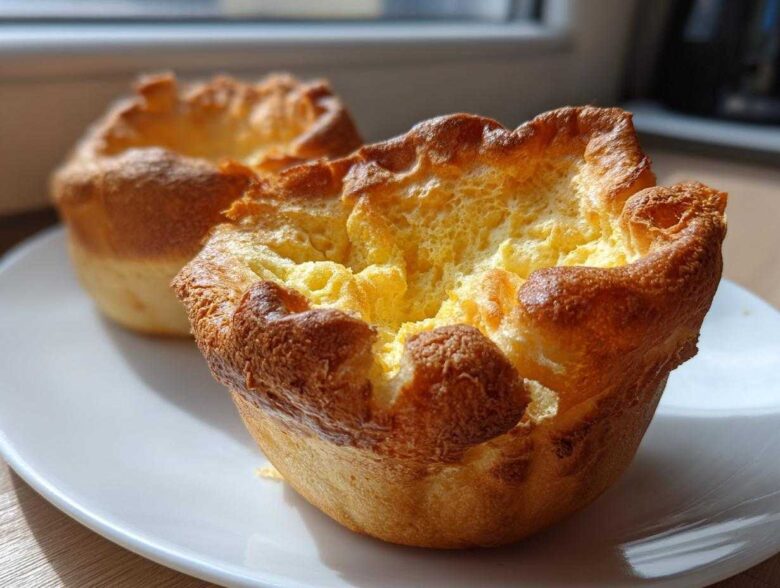
Oh, the shame! You pull them out, all puffed up and beautiful, and then two minutes later, they sink like a tired soufflé. Don’t you just hate that? Flat, soggy bottoms are the enemy of a proper Sunday roast, I swear. That’s why I’ve spent years perfecting this foolproof technique for making heavenly, tall, and super crispy yorkshire pudding. Trust me, mastering this classic British side dish is easier than you think once you know the secrets. We’re going to get those towering beauties happening every single time!
If you want to know more about where we source our best ideas in the kitchen, feel free to peek at our About Us page!
Why This Foolproof Yorkshire Pudding Recipe Works: The Secrets to Tall Puffs
So many people think making a truly spectacular yorkshire pudding is luck, right? Nope! It’s pure technique. We skip all the complicated nonsense and focus on the two game-changers that guarantee you get those huge, airy structures instead of sad, flat pancakes. Forget ever getting soggy bottoms again!
- Your batter *must* rest. This isn’t optional; it’s mandatory science working in your favor.
- Your fat *must* be ready to burn you. I mean it—smoking hot is the goal.
These two rules are why this recipe is called foolproof. It’s about setting up the batter and the tin perfectly before the baking even begins.
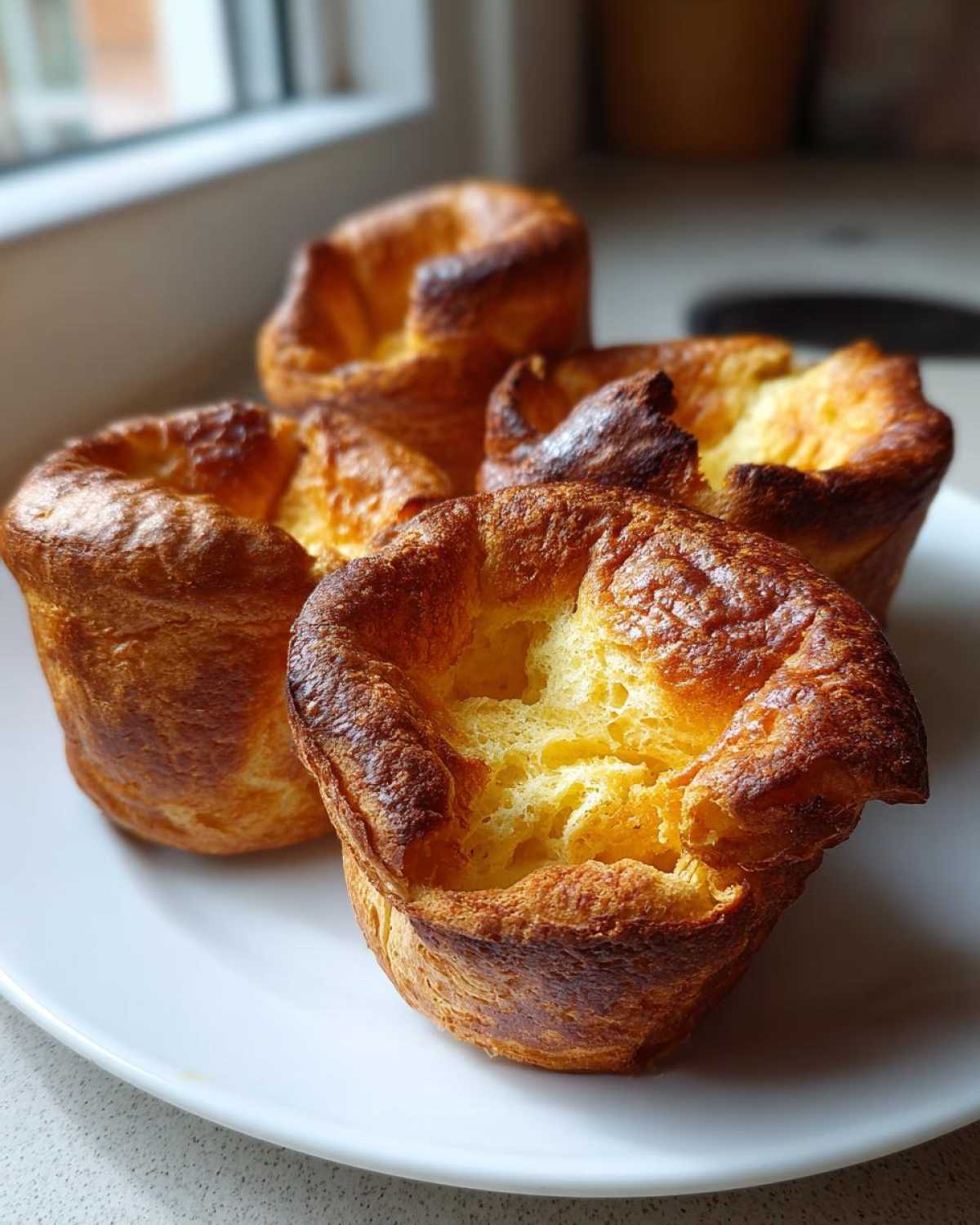
The Importance of Batter Resting Secrets for Fluffy Light Batter
After you mix that lovely fluffy light batter, you have to walk away. Seriously. Letting the batter rest lets the starch molecules in the flour completely hydrate and relax. If you skip this, that tight gluten structure holds onto the gas bubbles, and when they try to expand in the oven, they collapse! A minimum of 30 minutes in the fridge is essential, but I always go overnight if I can manage it. It just produces the airiest results.
Achieving Smoking Hot Fat for Crispy Puddings
This is the moment of truth. You need vegetable oil or, even better, beef dripping heated until it’s practically shimmering and just starting to smoke in the tin. When that cold batter hits that super-hot fat, it seizes up instantly around the edges. That immediate searing is what forces the batter upwards, giving you those incredible height and the deep golden brown color we all crave. If your fat isn’t hot enough, the batter just settles in and gets greasy. No exceptions here!
Gathering Ingredients for Authentic Yorkshire Pudding
Okay, let’s talk about what goes into these beauties! The ingredient list for a proper yorkshire pudding is wonderfully short. That’s the beauty of traditional British recipes—simplicity is key. You don’t need a pantry full of weird extracts; you just need the right ratios of the basics.
Here is exactly what I use for my 12-pudding batch:
- 140g plain flour (Yes, regular all-purpose is perfect!)
- 4 large eggs (Size really matters here, folks!)
- 200ml milk (I insist on whole milk—it gives better structure)
- A tiny pinch of salt
- Vegetable oil or beef dripping (for heating—this is crucial!)
Ingredient Notes and Substitutions for Your Yorkshire Pudding
When it comes to ingredients, I’m a firm believer in using what works, but knowing *why* it works. If you can find beef dripping, use that! It gives the best savory depth and helps them get golden brown. If you can’t, a high smoke-point vegetable oil is your next best bet for achieving that smoky heat needed for a tall yorkshire pudding. Also, measuring the milk by volume to match the eggs is a handy trick I learned; it keeps that perfect thin consistency required for the fluffy light batter.
How to Make Yorkshire Pudding: Step-by-Step Instructions
Alright, brace yourself! This is where the magic happens, but you have to move with speed and confidence once you reach the oven stage. We start slow with the mixing, which makes the resting process so effective. Then, when it’s baking time, we act fast to capture all that heat. Follow this sequence precisely, and you’ll see why I call this the foolproof pudding technique!
If you need more general cooking wisdom, check out my main recipe blog index!
Mixing the Fluffy Light Batter
First things first: sift your flour and salt into a big bowl. Make a nice little volcano crater right in the middle. Crack your eggs into the pit and start whisking gently, slowly bringing in the flour from the sides. Now, pour the milk in super slowly while you keep whisking. You want zero lumps—the goal is a thin, smooth batter, about the consistency of single cream. It needs to look almost watery; don’t get tempted to add more flour!
The Crucial Baking Stage for Oven Baked Savory Puffs
Get that oven roaring hot—220°C is the minimum! Put your muffin tin (or whatever you are using) inside while the oven heats up for at least 10 minutes. Add a teaspoon of oil or dripping to each cup and let that fat get screaming hot—it should almost be smoking when you pull the tray out. Work quickly now! Remove the tin, pour the batter straight into the hot fat about one-third full, and immediately slide it back in the oven. Seriously, do not open that door for the first 20 minutes because that drop in temperature will absolutely flatten your yorkshire pudding!
Tips for Success When Making Yorkshire Pudding
Even with the right recipe, sometimes things go a bit sideways, right? I want to make sure your yorkshire pudding adventure is a total win, so here are the extra little things I do that the recipe card doesn’t always spell out perfectly. These are the things I learned through trial, error, and many sad, flat puddings!
First, always check your oven thermometer. If your oven claims it’s 220°C but it’s actually running cooler, your puddings will deflate. Second, the ladle you use to pour the batter should be small so you can be precise and quick when pouring into that scalding hot fat. Speed is your friend!
Finally, once they are out and golden brown, don’t leave them sitting around! They start releasing steam almost immediately if you cover them. They are best served the second they come out of the oven for that ultimate crispness. For amazing follow-up recipes, check out my easy pear crisp with oat topping!
Serving Suggestions for Your Roast Dinner Essential
Honestly, what is a proper roast without these golden brown pastries waiting bedside? The yorkshire pudding is the undisputed star of the plate when it comes to a good feast. They are the ultimate roast dinner essential! I usually make a giant batch because they disappear frighteningly fast, especially when you have hungry guests waiting.
They aren’t just for beef anymore, either. They are brilliant alongside roast chicken, pork, or even turkey during the holidays. They soak up all those lovely savory juices that run off the meat.
The Perfect Homemade Gravy Soaker Pairing
You technically can eat a yorkshire pudding plain, but why would you? They are designed to be soaked! Make sure your gravy is rich, thick, and plentiful. The base of that crispy little well needs a good dose of homemade gravy. A thin gravy just sinks straight through; you want something with body that pools nicely inside the cup. If you need a fantastic pairing suggestion, check out my recipe for my slow-cooker beef barbacoa tacos—it’s not traditional, but beef grease and gravy are friends!
Storage and Reheating Instructions for Yorkshire Pudding
They are just never quite as good on day two, are they? But don’t throw those leftovers away! You can totally save your yorkshire pudding for the next day’s dinner, or even freeze them after they have cooled down completely. Make sure they are totally cold before you stash them in an airtight container. Freezing works beautifully for up to a month.
When it comes to reheating to get those crispy edges back, forget the microwave entirely—it turns them instantly into rubber! Stick them back into a hot oven, about 200°C (400°F), for about 5 to 8 minutes. They come out tasting nearly as good as fresh. That’s my trick for getting that fluffy light batter structure back!
Frequently Asked Questions About This Classic Savory Bake
I get so many lovely messages asking about tricky bits, so I wanted to gather the most common questions about achieving the perfect yorkshire pudding right here. If you’ve followed the hot fat rule and still have questions, you’re in the right place, my friend! Let’s troubleshoot these last little hurdles.
Can I use water instead of milk in my yorkshire pudding batter?
Look, you *can*, but I strongly advise against it for a rich classic savory bake. Milk provides fat and richness which helps the pudding brown beautifully and keeps the texture soft inside while being crispy outside. Water makes things less rich, and often, the resulting puddings are a little flatter and paler.
What is the best oil to use for the airiest Yorkshire puddings?
For the absolute airiest Yorkshire puddings—and getting that puff—you need fat with a super high smoke point. Beef dripping is the authentic choice, giving you the best flavor and that intense heat barrier. If you avoid animal fats, use refined sunflower or vegetable oil. Don’t use olive oil; it burns too easily and gives a funny flavor when it smokes like this!
For more general kitchen organization tips, you might like this post on chicken Caesar wraps for an easy lunch!
Do you have another question about getting your puffy pudding recipe right? Drop it in the comments below!
Estimated Nutritional Data for This Easy Comfort Food Bake
Because we’re using simple, wholesome ingredients for this easy comfort food bake, the nutrition is relatively straightforward, but remember these numbers are just an estimate based on my recipe measurements!
- Serving Size: 1 pudding
- Calories: 120
- Fat: 6g
- Carbohydrates: 14g
- Protein: 5g
This is a great little side dish to pair with your big roast, but like anything delicious, enjoy it in moderation! For a full rundown on why we post estimated nutrition and what that means for our site, please check out our official disclaimer page.
Share Your Perfect Puffy Pudding Recipe Results
So, that’s it! You’ve done the hard work: you’ve rested the batter, you’ve dealt with the smoking hot oil, and now you’ve got stunning, crispy puddings! I would absolutely love to hear how yours turned out. Please rate this recipe below and tell me in the comments if you nailed that amazing puff! And if you snapped a picture of your perfect batch, share it on social media and tag us!
Don’t forget, if you need to reach out with specific questions or feedback, my contact page is always open!
PrintFoolproof Fluffy Yorkshire Puddings: Crispy Edges and Tall Puffs

Follow this simple guide to make light, tall, and crispy Yorkshire puddings perfect for any roast dinner.
- Prep Time: 10 min
- Cook Time: 35 min
- Total Time: 45 min
- Yield: 12 puddings
- Category: Side Dish
- Method: Baking
- Cuisine: British
- Diet: Vegetarian
Ingredients
- 140g plain flour
- 4 large eggs
- 200ml milk (whole milk works best)
- Pinch of salt
- Vegetable oil or beef dripping, for heating
Instructions
- Sift the flour and salt into a large bowl. Make a well in the center.
- Crack the eggs into the well. Begin whisking the eggs, gradually incorporating the flour from the sides.
- Slowly pour in the milk while continuously whisking until you have a smooth, thin batter, similar in consistency to single cream.
- Cover the bowl and let the batter rest in the refrigerator for at least 30 minutes, or up to 12 hours for best results.
- Preheat your oven to 220°C (425°F or Gas Mark 7). Place a 12-hole muffin tin or individual pudding tins into the oven.
- Add about 1 teaspoon of vegetable oil or beef dripping into each cup of the hot tin. Heat the oil in the oven for 10 minutes until it is smoking hot.
- Carefully remove the hot tin from the oven. Quickly and carefully pour the batter evenly into the hot oil, filling each cup about one-third full. Work fast to keep the heat in.
- Immediately return the tin to the oven. Bake for 20 to 25 minutes. Do not open the oven door during the first 20 minutes of cooking.
- The Yorkshire puddings are done when they are well-risen, deep golden brown, and crisp. Serve immediately.
Notes
- The key to tall puddings is extremely hot fat. The oil must be smoking hot before you add the batter.
- Resting the batter allows the starch in the flour to relax, resulting in a lighter texture.
- Use the same volume of milk and eggs (e.g., if you use 4 eggs, use the same volume of milk).
Nutrition
- Serving Size: 1 pudding
- Calories: 120
- Sugar: 2
- Sodium: 150
- Fat: 6
- Saturated Fat: 2
- Unsaturated Fat: 4
- Trans Fat: 0
- Carbohydrates: 14
- Fiber: 1
- Protein: 5
- Cholesterol: 70