

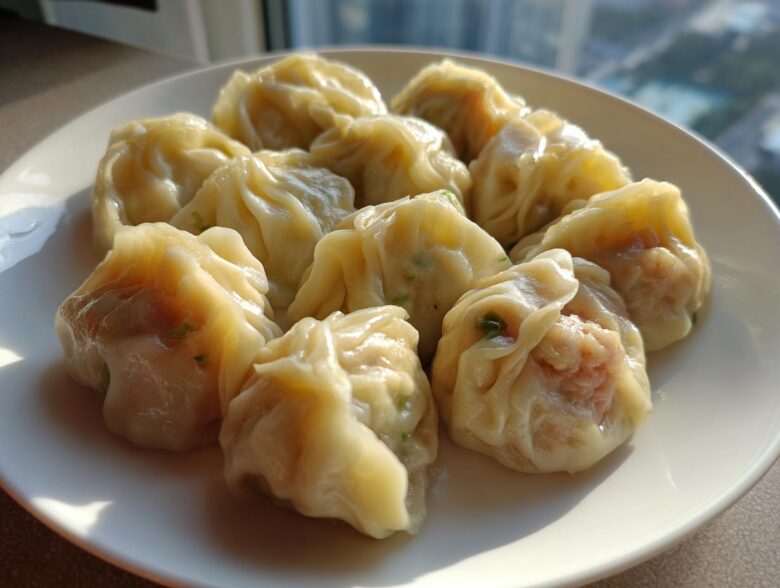
I used to think making food that truly tasted authentic—the kind that makes you close your eyes and sigh—was reserved for professional chefs or people who never once worried about a split seam. For years, my kitchen was a silent battlefield against imperfection, especially when it came to things like **Traditional Chinese Dumplings**. That changed when Simon showed me that the real flavor comes not from perfection, but from putting your honest effort in. Trust me, when you make these pork and cabbage dumplings from scratch, you’re not just making dinner; you’re creating something worthy of applause. This guide takes you through everything, especially tackling those gorgeous homemade dumpling wrappers and getting that savory **pork cabbage dumplings** filling just right. Let’s ditch the pressure and just enjoy the process together!
Why Making Traditional Chinese Dumplings from Scratch is Worth the Praise
I know it feels like more work, but I promise you, the first time you bite into a dumpling made with dough you rolled yourself, you’ll understand the hype. This isn’t just food; it’s an achievement worth celebrating! Simon always says, “Give yourself kudos for showing up!” Jump over to our blog if you need more encouragement on embracing the process!
- You get that spectacular, slightly chewy texture that store-bought wrappers just can’t match.
- The filling tastes exponentially more vibrant when you control every single spice in your **Traditional Chinese Dumplings**.
The Joy of Authentic Jiaozi Flavor
Honestly, store-bought wrappers taste like they are already tired when you buy them. When you make the dough yourself, it’s alive! It brings a beautiful, yielding chewiness to the final **authentic jiaozi**. It’s softer on the bite, especially when we boil them.
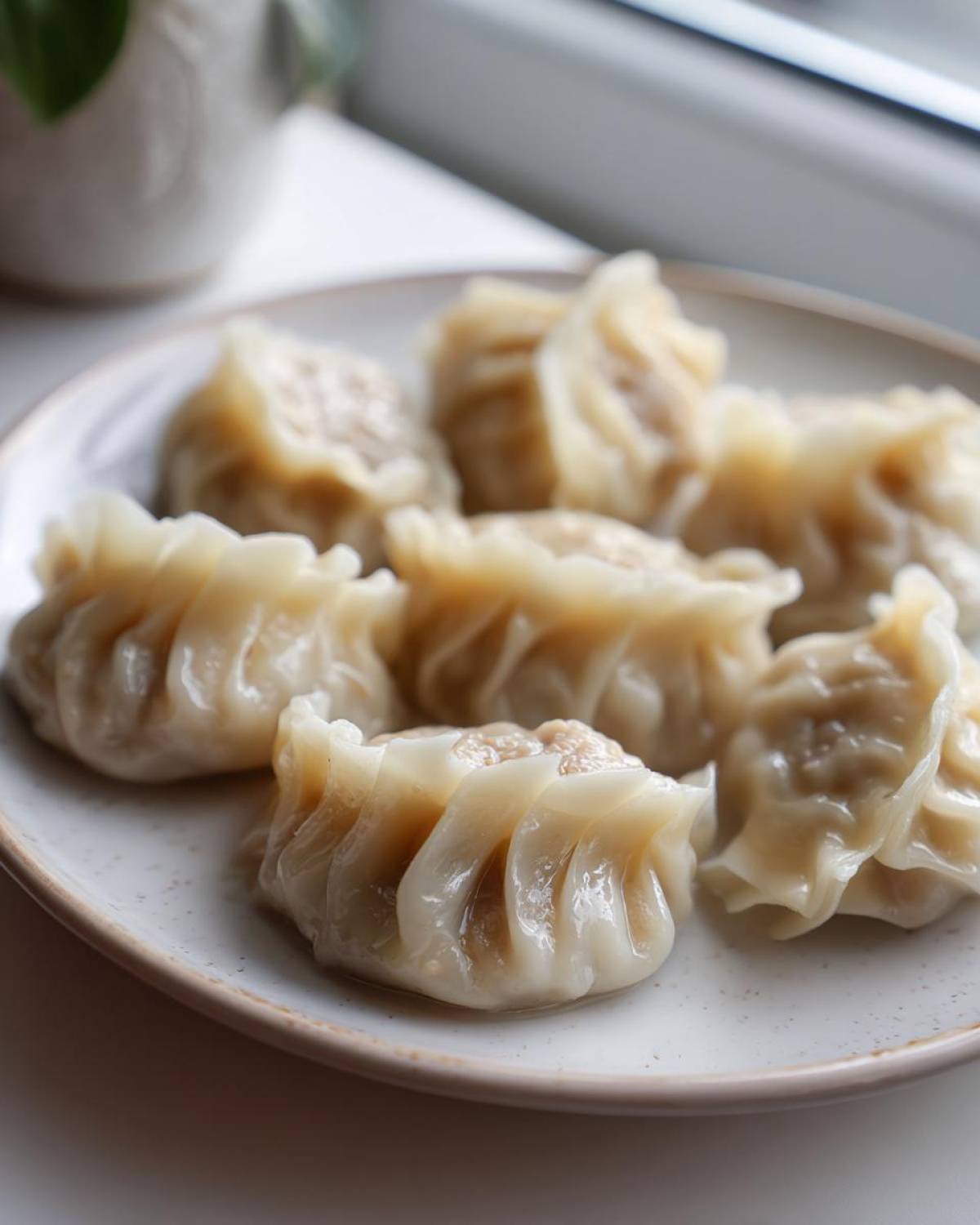
Tips for Perfect Traditional Chinese Dumplings Assembly
Don’t let anyone tell you that folding is too hard! We’re aiming for sealed shut, not magazine cover perfect. Just practice a few folds, pinch hard, and you’ve got it. Every slightly wonky fold on these **Chinese dumplings recipe** just adds to your personal kitchen story!
Gathering Your Ingredients for Traditional Chinese Dumplings
Okay, time to put on some music! Making truly great **pork cabbage dumplings** hinges on having quality base ingredients. Don’t stress over finding fancy extras; just focus on fresh pork and cabbage, and you’ve already won half the battle. Shopping for these feels like gathering jewels for a treasure chest, honestly. Simon always points out that simple, good ingredients are the first round of kudos we give ourselves!
For the Homemade Dumpling Wrappers
The wrapper dough is super humble—mostly just flour and water—but it needs your attention! We use 2 cups of all-purpose flour and about 2/3 cup of **warm water**. Remember, ‘warm’ means just warm enough to touch comfortably, not hot bath water! Feel that dough take shape; that’s your first win.
- 2 cups all-purpose flour
- 2/3 cup warm water (plus more if needed to bring it together)
For the Savory Pork Cabbage Filling
This filling is where the magic happens. We need the full flavor from the fresh ginger and the right amount of salt to let that pork shine. Make sure your Napa cabbage is really, really finely chopped. We want it soft and integrated, not chunky!
- 1 pound ground pork (I usually grab whatever fat content is around—it all works!)
- 2 cups finely chopped Napa cabbage
- 1/4 cup finely chopped scallions
- 2 tablespoons soy sauce
- 1 tablespoon Shaoxing rice wine
- 1 teaspoon sesame oil
- 1 teaspoon grated fresh ginger
- 1/2 teaspoon salt
- 1/4 teaspoon white pepper
Step-by-Step Guide to Making Traditional Chinese Dumplings
Now for the fun part! This is where we turn simple ingredients into something amazing. Don’t rush this, but also don’t feel like you need tweezers to measure things. We want good, solid results, not kitchen engineering degrees. For me, this stage is where I always get the best encouragement from Simon—he tells me every successful fold is a mini-victory! If you’re nervous about the wrappers, just remember that every single pleated dumpling starts as a slightly squished circle. You got this!
Creating the Dough for Homemade Dumpling Wrappers
First things first: the dough needs a good workout. Throw your flour and water into a bowl and bring it together into a shaggy mess. Then, turn it out onto the counter. Knead! Seriously work it for about 8 to 10 minutes until it stops fighting you and starts feeling wonderfully smooth and elastic. That’s where the chewiness comes from! I always love how the dough feels right when it hits that elastic point—it feels like it’s ready for anything. Cover it up with a damp towel or a bowl and let it rest for a solid 30 minutes. That rest time is crucial, so don’t cheat it!
Mixing the Perfect Pork Cabbage Dumplings Filling
While the dough is resting, we mix the filling. Combine your pork, cabbage, scallions, and all those lovely sauces and spices. Here’s a tip from Simon: Mix using your hands if you can, but don’t beat it into submission! You want everything combined, but stop stirring the instant you see everything incorporated. If you mix too long, the pork gets tight and chewy later. We are aiming for savory and tender, not bouncy rubber!
Rolling and Shaping Your Traditional Chinese Dumplings
Okay, the dough is rested, so it should be much happier to work with. Divide that smooth ball into four equal chunks. Roll each chunk into a long rope, and then slice it into little one-inch pieces. Now comes the rolling—aim for about a 3-inch thin circle. Don’t worry if the edges are a little thicker than the center; that helps with sealing! When you’re ready to fill, take a tiny bit of water on your finger and run it around the edge. Fold it in half to make that classic half-moon, and then start pinching those pretty little pleats to seal it tight. Really press those seals down!
Cooking the Boiled Chinese Dumplings Perfectly
Time to get these beauties into the water! Bring a big pot of water to a rolling boil, but do not drop all 40 dumplings in at once—they need elbow room! Work in batches so the water stays hot. They go in gently. Once they start floating, that’s your cue to watch closely. They usually take about 5 to 7 minutes after floating, but you want to see them puffed up and cooked right through. These perfectly **boiled Chinese dumplings** are ready for a quick dip in your favorite sauce! Maybe you are making egg drop soup to go alongside them?
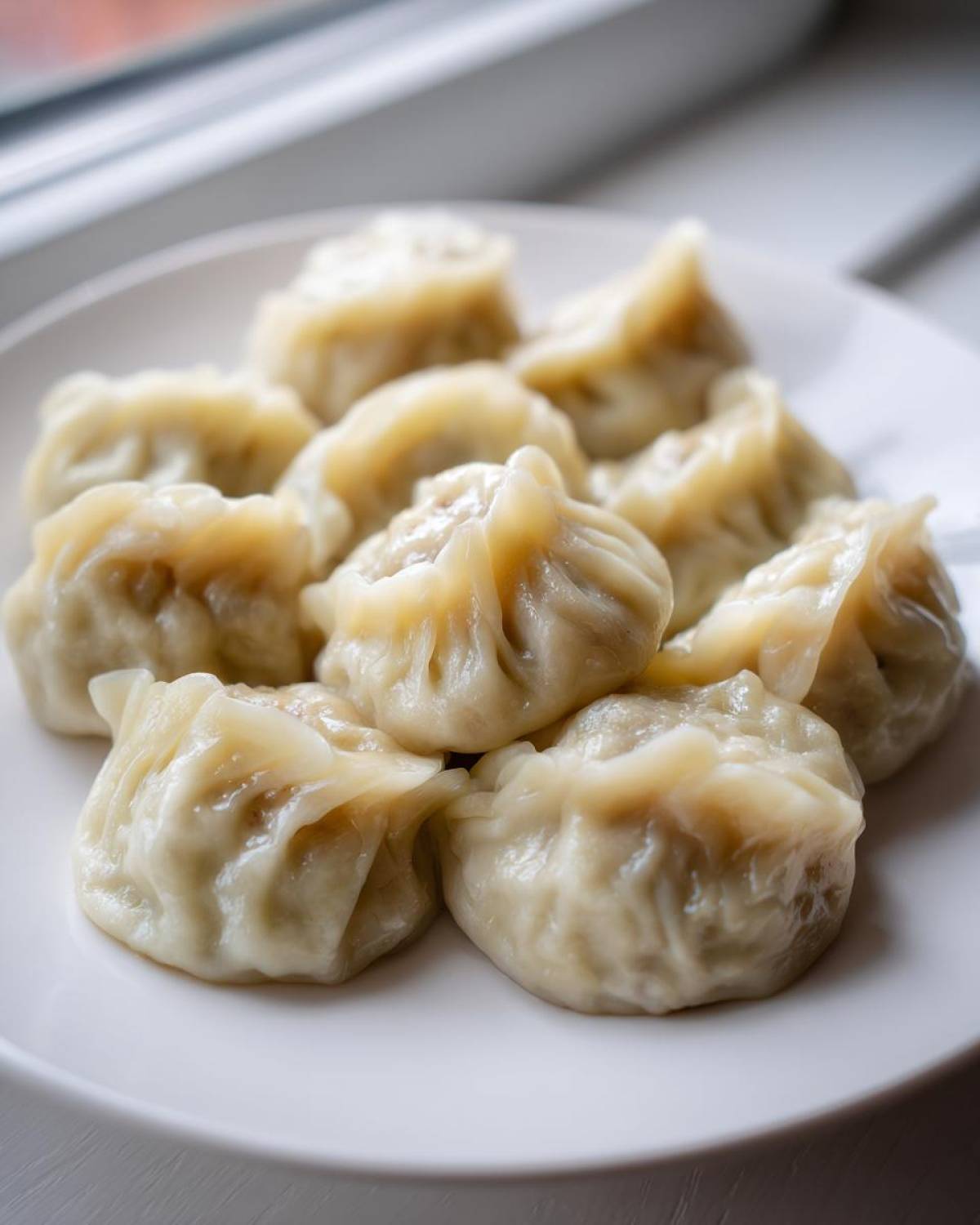
Making Your Traditional Chinese Dumplings Freezer Friendly
This is one of my favorite moments because it means we get to eat dumplings again next week with zero actual work! Making a huge batch is always worth it. Simon loves this part because it feels like we’re stocking up our own personal pantry fortress. For the absolute best results when freezing these **Traditional Chinese Dumplings**, you must flash freeze them first. Don’t skip that little sheet pan step!
Lay all your uncooked dumplings—the ones you just sealed up—in a single layer on a baking sheet that you’ve already lined with parchment paper. Make sure they aren’t touching! Pop that pan into the freezer until every single one is rock hard. Once they are totally solid, you can just toss them all into a sturdy freezer bag. When you want to cook them straight from the freezer, just add about 2 or 3 extra minutes to the boiling time, and you’ve got a fresh-tasting meal ready to go! It’s so satisfying knowing we have this little lifeline waiting. You should also check out our guide to freezer-friendly breakfast sandwiches for next-level batch prep!
Serving Suggestions for Your Authentic Jiaozi
You’ve done the work, you’ve boiled the perfect **authentic jiaozi**, and now they are swimming happily in the pot. Don’t just serve them plain; a killer dipping sauce is the punctuation mark they deserve! Simon always tells me that the dip should be salty, tangy, and have just a little kick. We keep ours super simple because these dumplings taste so good on their own.
My go-to trio is always the same: good quality soy sauce, a dash of Chinese black vinegar (it’s sharper than white vinegar, trust me!), and a swirl of chili oil. Sometimes I’ll mix a little toasted sesame oil into the soy sauce for depth. That’s it! No need for complex recipes when the wrapper and filling are this good.
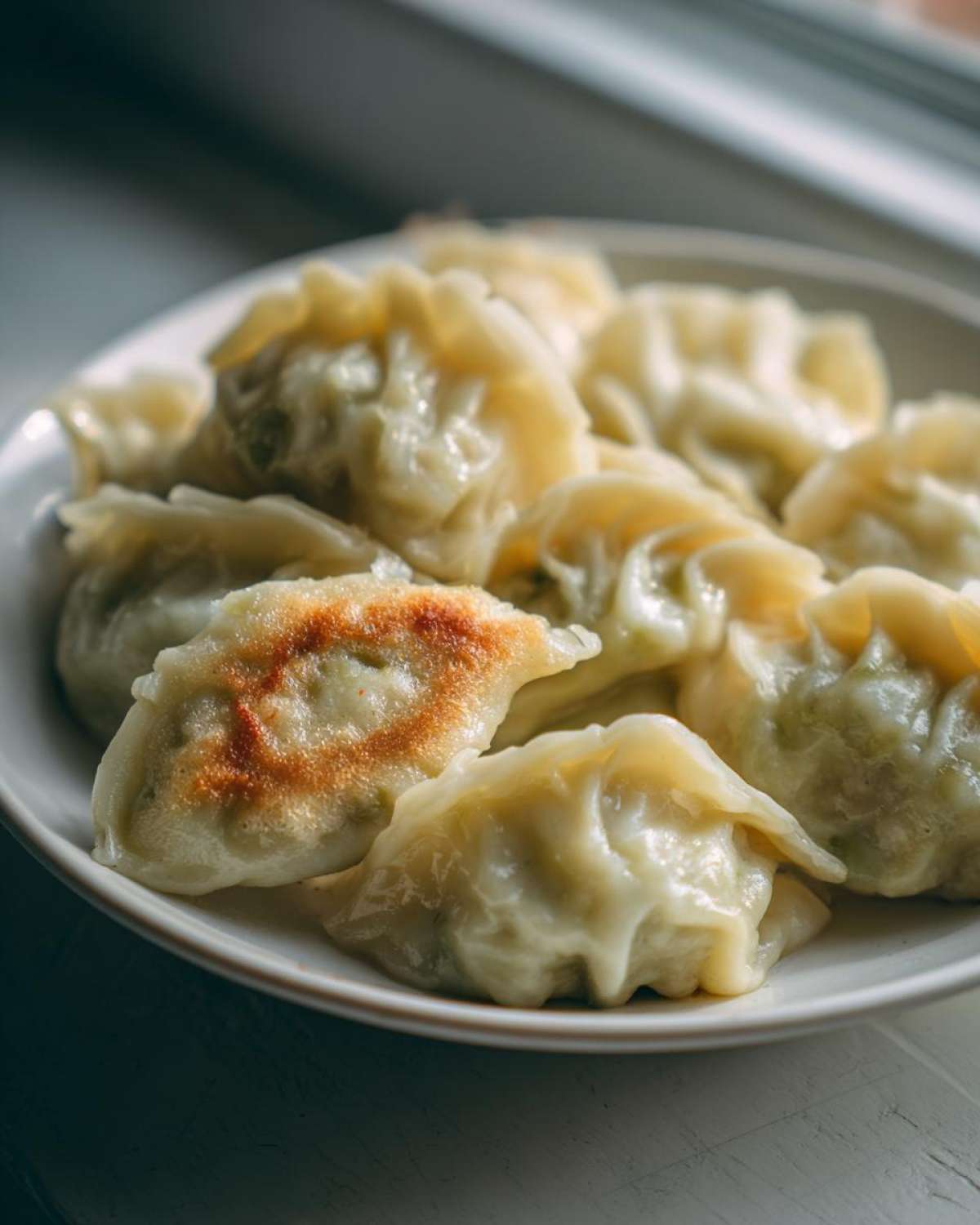
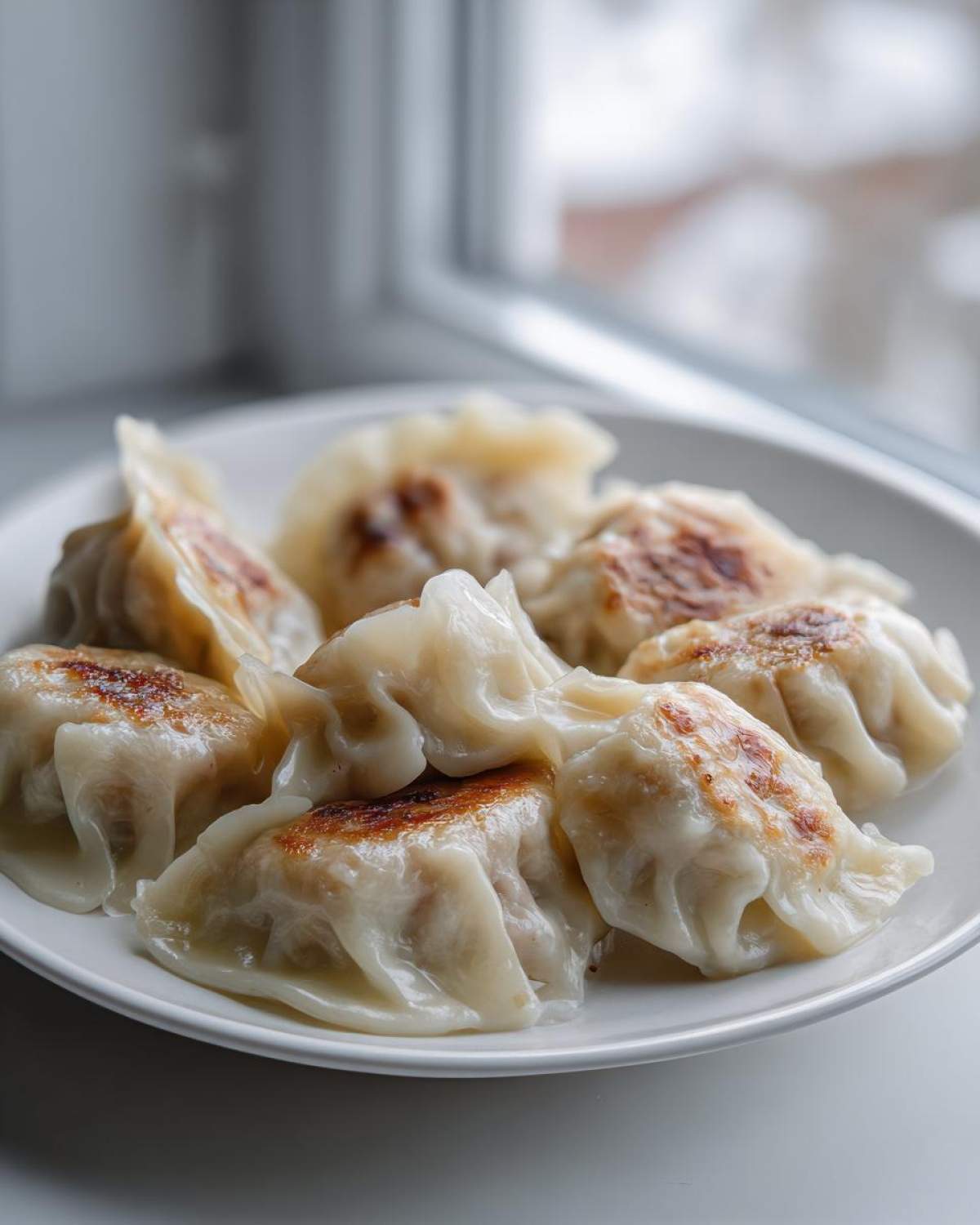
Now, if for any reason you decide you don’t want to do the **boiled Chinese dumplings** today, remember that they are absolutely phenomenal if you switch up the cooking method! After you boil them for just a minute to mostly cook the wrapper, you can immediately transfer them to a hot, oiled skillet. Let them sizzle until the bottom is golden brown and crispy. That contrast between the soft, steamed top and the crunchy bottom? That’s pure heaven. It gives you an entirely different, but equally delicious, outcome. If you are looking for other sauce ideas for your next batch, check out our easy homemade BBQ sauce recipe—you might be surprised how good a little tang works with savory pork!
Troubleshooting Common Traditional Chinese Dumplings Issues
Okay, deep breath! If you’ve hit a snag—maybe a wrapper tore or things got a little messy—that is perfectly normal. Simon jumps in right here to remind me that every mistake is just data collection for next time! He calls it turning a disaster into a “learning moment.” Honestly, it’s just part of making **Traditional Chinese Dumplings**; you’re building muscle memory!
Why Are My Dumpling Wrappers Sticking?
Did your dough start acting sticky halfway through rolling? Don’t panic and definitely do not add cups of water! This usually means you need a little help from the flour bag. Just lightly dust your board, your work surface, and maybe even your hands with a little extra flour while you’re rolling and shaping. It keeps things manageable so you can get that perfect thin circle without that awful tearing sound.
My Filling Leaked While Boiling
If you found a little bit of the delicious filling swimming in your boiling water, it just means the seal wasn’t 100% tight. When you fold them into that moon shape, run your finger along the entire edge with a touch of water, and then really press those pleats together. Think firm pinch! A tight seal ensures all the flavor stays safely inside the wrapper until it hits your dipping sauce.
Frequently Asked Questions About Chinese Dumplings Recipe
We get so many questions after people try making their first batch! That’s fantastic; it means you’re engaged and learning. Simon always encourages me to answer every question I can, because every little clarification chips away at that old perfectionist fear. Remember, even if the answer seems obvious to an expert, asking is how we move forward. I’m happy to share everything I know about getting your **Chinese dumplings recipe** spot on! If you ever have more questions or want to share your victories, please reach out to us through our contact page.
Can I substitute the ground pork in this Chinese dumplings recipe?
Absolutely! While the pork is classic for a reason, you can definitely swap it out. Ground chicken or even ground turkey works really well if you want something lighter. Just know that poultry tends to dry out a little faster, so make sure you don’t overmix that filling, and maybe add just a tiny splash more sesame oil to keep things moist inside your **authentic jiaozi**.
How long do homemade dumpling wrappers last if refrigerated?
If you have leftover **homemade dumpling wrappers** that you’ve already rolled out but haven’t filled, you need to keep that moisture locked in! Wrap them extremely tightly in plastic wrap, making sure there are no gaps. You should be safe using those for up to two days in the fridge. If you wait longer, they start to stiffen up and become harder to pleat nicely.
What is the best way to reheat leftover boiled Chinese dumplings?
Oh, microwaving is the death of a good dumpling, seriously! It makes them rubbery. For the best texture when you want to bring those cooked **boiled Chinese dumplings** back to life, I recommend steaming them—just a few minutes in a steamer basket over simmering water brings back their original texture perfectly. If you prefer texture over softness, pan-fry them briefly to get those bottoms crispy again!
Nutritional Snapshot of Pork Cabbage Dumplings
I always feel like checking the nutrition facts is Simon’s way of giving me bonus kudos for balancing flavor with responsibility! Remember, because we are making everything from scratch, these numbers are just great guides—they aren’t gospel. If you use leaner pork or less oil when pan-frying, your numbers shift! For a serving of five glorious **pork cabbage dumplings**, here is a lovely overview. You can always read more about our approach to nutrition on our disclaimer page.
- Serving Size: 5 dumplings
- Calories: 250
- Fat: 12g
- Carbohydrates: 22g
- Protein: 14g
Share Your Kitchen Kudos
Wow, you made it! You successfully navigated the dough, folded those beautiful pockets, and celebrated every step of the way. That deserves a huge round of applause from both Simon and me! Now comes the best part: sharing your success!
Did these **lunar new year dumplings** make your celebration special? Did you find that making the wrappers from scratch was easier than you thought? Please, please leave a rating below and tell us about your experience. Don’t worry if you had a few wonky ones—we want to hear about the joy, the messy moments, and the flavor triumphs!
We truly believe that our philosophy of praise is the secret ingredient here. When you share your kudos, you’re encouraging another recovering perfectionist out there to step into the kitchen without fear. We are so grateful you chose to spend this cooking adventure with us. Don’t forget to check out our privacy policy if you have questions about sharing recipes!
PrintAuthentic Pork and Cabbage Chinese Dumplings (Jiaozi)
Make delicious homemade Chinese dumplings with scratch wrappers filled with savory pork and cabbage. This recipe is perfect for Lunar New Year or any weeknight meal.
- Prep Time: 45 min
- Cook Time: 10 min
- Total Time: 55 min
- Yield: About 40 dumplings
- Category: Main Course
- Method: Boiling
- Cuisine: Chinese
- Diet: Low Fat
Ingredients
- 2 cups all-purpose flour
- 2/3 cup warm water (plus more if needed)
- 1 pound ground pork
- 2 cups finely chopped Napa cabbage
- 1/4 cup finely chopped scallions
- 2 tablespoons soy sauce
- 1 tablespoon Shaoxing rice wine
- 1 teaspoon sesame oil
- 1 teaspoon grated fresh ginger
- 1/2 teaspoon salt
- 1/4 teaspoon white pepper
Instructions
- Make the dumpling wrappers: In a large bowl, mix the flour and warm water until a shaggy dough forms. Knead on a lightly floured surface for 8-10 minutes until smooth. Cover the dough and let it rest for 30 minutes.
- Prepare the filling: In a separate bowl, combine the ground pork, Napa cabbage, scallions, soy sauce, rice wine, sesame oil, ginger, salt, and white pepper. Mix well until the ingredients are fully incorporated.
- Roll the wrappers: Divide the rested dough into four equal pieces. Roll each piece into a long rope. Cut each rope into 1-inch pieces. Roll each small piece into a thin circle, about 3 inches in diameter.
- Assemble the dumplings: Place about 1 teaspoon of filling in the center of a wrapper. Moisten the edges with water. Fold the wrapper in half to create a half-moon shape, pinching and pleating the edges to seal securely.
- Cook the dumplings: Bring a large pot of water to a boil. Gently drop the dumplings into the boiling water, making sure not to overcrowd the pot. Cook for 5-7 minutes, or until the dumplings float and the filling is cooked through.
- Serve immediately with your favorite dipping sauce, or proceed to freezing instructions.
Notes
- For freezer friendly dumplings: Arrange uncooked dumplings in a single layer on a baking sheet lined with parchment paper. Freeze until solid, then transfer to a freezer bag. Cook directly from frozen, adding 2-3 minutes to the cooking time.
- To achieve the best texture for your homemade dumpling wrappers, knead until the dough feels elastic.
- If you want to try a different method, these are also great pan-fried for crispy bottoms.
Nutrition
- Serving Size: 5 dumplings
- Calories: 250
- Sugar: 1
- Sodium: 350
- Fat: 12
- Saturated Fat: 4
- Unsaturated Fat: 8
- Trans Fat: 0
- Carbohydrates: 22
- Fiber: 1
- Protein: 14
- Cholesterol: 55