

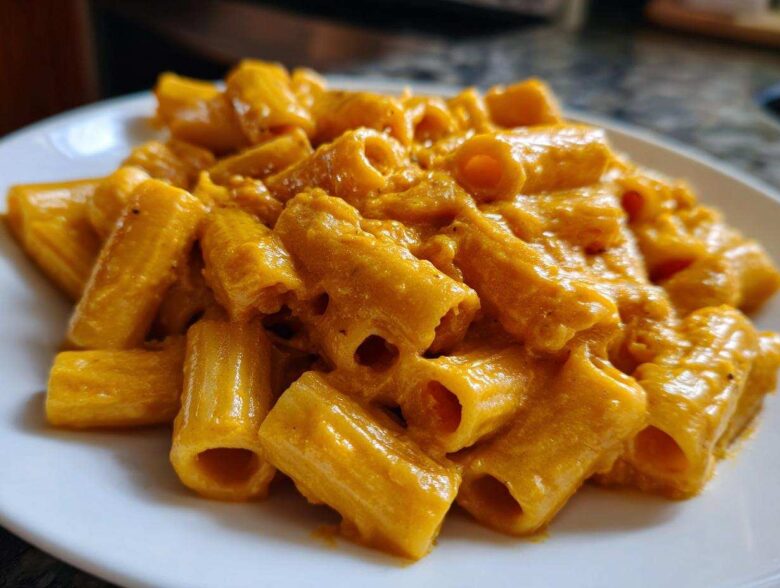
You know those nights when a regular weeknight dinner just won’t cut it? When you just need something incredibly warm and comforting, but you don’t have hours to spend stirring? That’s exactly when I turn to my ultimate creamy butternut squash pasta recipe. It captures all the best flavors of autumn, taking advantage of that lovely, sweet squash. I spent nearly two whole seasons tweaking this formula. I tried boiling, steaming—nothing worked right until I committed to roasting. Roasting completely transforms the flavor, giving you this richly concentrated, smooth sauce that makes the whole dish taste gourmet. Trust me, once you try this roasted butternut squash pasta sauce, you’ll toss out every other recipe you have!
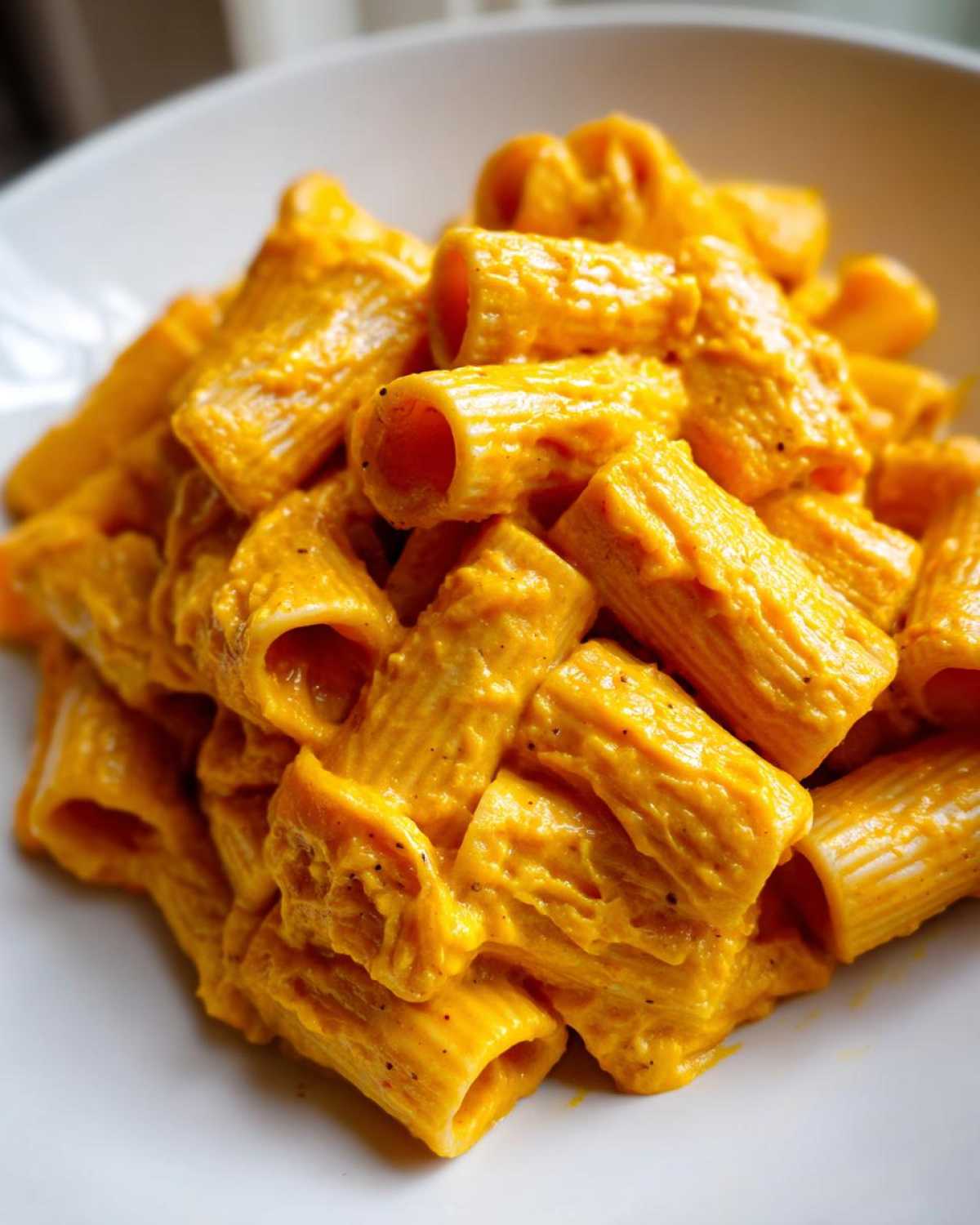
Why This Creamy Roasted Butternut Squash Pasta Sauce Works (E-E-A-T)
This isn’t just another squash soup thinned out! This recipe shines because we focus on deep flavor and that luxurious mouthfeel. It’s my go-to easy fall pasta recipe when I need something fast but I also want it to feel special and cozy.
- It truly shines as a simple weeknight pasta option because most of the work—the roasting—happens hands-off in the oven.
- It delivers that perfect, satisfying comfort food pasta experience with minimal last-minute effort.
Flavor Depth from Roasting
Okay, listen up, this is my most crucial expert tip for any good butternut squash vegetarian meal. If you boil the squash, you’re diluting all that beautiful natural sugar into the water. When you roast it, though, the edges caramelize slightly. That slight bit of browning equals intense sweetness and depth that you just can’t get any other way. It concentrates the flavor for an amazing butternut squash pasta!
Achieving the Velvety Pasta Sauce Texture
The magic of a truly creamy butternut squash pasta sauce comes from two things working together beautifully. First, using heavy cream—or full-fat coconut milk if you’re skipping dairy—ensures richness. Second, and this is huge, don’t forget to reserve that starchy pasta water! That starchy goodness emulsifies with the fat when you toss everything together, creating that beautifully velvety texture that coats every single noodle perfectly.
Essential Ingredients for the Best Butternut Squash Pasta
You truly can’t fake flavor here, and picking the right components is the first secret to nailing this homemade squash sauce. This list is straightforward, but pay attention to how I suggest preparing everything—it matters for that final, rich butternut squash pasta consistency.
You’ll need:
- One medium butternut squash (about 3 lbs is good), which you must peel, seed, and cube up nicely.
- Olive oil—we split this up, so keep 2 tablespoons ready.
- One small yellow onion, chopped fine.
- Two cloves of garlic that you mince up.
- One cup of vegetable broth (or chicken broth if you’re not worried about keeping it vegetarian).
- The richness factor: 1/2 cup of heavy cream, OR if you’re going dairy-free, use full-fat coconut milk.
- Optional: 1/4 cup of grated Parmesan cheese for that salty kick.
- Salt and pepper for seasoning during roasting, plus that tiny pinch of nutmeg because you absolutely need it!
- One tablespoon of fresh sage, chopped very finely.
- One pound of pasta. I really love rigatoni for this, but penne works great too.
Ingredient Notes and Substitutions for Butternut Squash Pasta
Look, I know not everyone is strictly vegetarian, so feel free to bulk this up! If you want to turn this simple weeknight pasta into something heartier, I highly recommend adding cooked, crumbled Italian sausage or a big handful of wilted spinach right when you add the cream in later steps. If you’re making this a proper butternut squash vegetarian meal or even vegan, swap the heavy cream for that full-fat coconut milk, and just skip the Parmesan entirely.
Also, please, use fresh sage if you can find it! Dried sage is too piney and can overpower your beautiful roasted butternut squash sauce. That fresh, earthy aroma combined with the nutmeg is what makes this cozy autumn dinner taste perfect.
Step-by-Step Guide to Making Roasted Butternut Squash Sauce
This is where the magic happens, and honestly, it’s really enjoyable, not a chore at all! We need to keep an eye on two things at once: getting the squash roasted perfectly and timing the pasta so everything finishes together. Stick to the order below, and you’ll have the best homemade squash sauce ready in under an hour. It really is a quick squash dinner idea!
- Roast the Squash First: Get your oven cranked up to 400°F. Toss those cubed butternut squash pieces with just one tablespoon of olive oil, some salt, and pepper right on the baking sheet. You want them soft enough to mash later, so let them roast for about 25 to 30 minutes. They should be tender enough that a fork slides right in without a fight.
- Cook the Pasta: While that squash is busy getting sweet, go ahead and cook your pound of pasta according to the box directions until it’s perfectly *al dente*. Here’s the golden rule: before you drain ANYTHING, scoop out at least one full cup of that cloudy, starchy pasta water and set it aside. You’ll thank me later when you need to thin the sauce!
- Sauté the Aromatics: Grab a saucepan and heat your remaining tablespoon of oil over medium heat. Throw in your chopped onion and let it cook down until it’s soft—this takes around five minutes. Then, drop in that minced garlic and the chopped fresh sage. They only need about a minute until you can really smell them; be careful not to burn the garlic!
- Blend It Smooth: Now we merge the flavors! Carefully move the roasted squash, the cooked onion/sage mixture, the vegetable broth, the pepper, salt, and that vital pinch of nutmeg into your blender or food processor. Run this until it is absolutely, completely smooth. We are aiming for a completely velvety pasta sauce recipe here, so blend until you see no lumps!
- Finish the Creamy Butternut Squash Pasta Sauce: Pour that gorgeous orange puree back into the saucepan over low heat. Stir in your heavy cream and Parmesan if you’re using it. Just warm it through gently; don’t let it boil once the cream is in!
- Combine and Serve: Toss your drained pasta right into the sauce. If things look a little stiff or sticky—which sometimes happens—slowly add splashes of that reserved starchy water until the sauce clings perfectly to all the noodles. Serve immediately for the best butternut squash comfort food pasta experience!
Roasting the Squash for Maximum Butternut Squash Pasta Flavor
I can’t stress this enough about this butternut squash pasta! You must roast it until it’s tender, maybe slightly browned on the edges. If you pull it out too early because you’re worried about time, your sauce won’t be as naturally sweet, and it will be much harder to blend smoothly. We want that fork-tender texture—it’s essential for an amazing roasted butternut squash sauce.
Building the Aromatic Base and Blending the Homemade Squash Sauce
Don’t rush the sage and garlic sauté! Those aromatics form the backbone of the flavor layer that supports the sweet squash. Sautéing them first wakes them up. When you blend, make sure you run that machine long enough to get rid of every little bit of texture, especially if you aren’t using a high-powered blender. A truly smooth base is what separates a good homemade squash sauce from an absolutely fantastic one.
Tips for the Perfect Creamy Butternut Squash Pasta Every Time
Even with a great recipe, little things can go wrong when trying to get that perfect texture for your creamy butternut squash pasta. I’ve learned a few tricks over the years to make sure this easy fall pasta recipe always comes out right, even on a chaotic Tuesday night!
Managing Sauce Thickness with Pasta Water
I’ve seen people dump all their pasta water in at once, and oops—suddenly you have soup ingredients instead of a gorgeous, clinging sauce! Remember when I told you to reserve that water? You need to treat it like gold. When you’re tossing the pasta with the sauce in the pan, only add that starchy water one ladle or splash at a time. It releases starch, which binds with the fats in the cream and cheese, making your roasted butternut squash sauce incredibly thick and velvety without having to add more heavy cream.
Butternut Squash Flavor Pairings: Sage and Nutmeg
The magic trio for almost every cozy autumn dinner featuring squash is nutmeg, sage, and a tiny hint of earthiness. The nutmeg brightens the squash flavor and keeps it tasting warm, definitely don’t skip that pinch! If you taste your sauce before adding the pasta and it seems a little ‘flat,’ don’t rush to add more salt. Instead, try adding one more tiny leaf of fresh sage (if you have it) or a few more grinds of black pepper. These butternut squash flavor pairings really enhance the overall profile!
Serving Suggestions for Your Butternut Squash Vegetarian Meal
So you’ve got this amazing, creamy butternut squash vegetarian meal ready to go! What do you serve alongside it? Since the sauce is so rich, I usually keep the sides simple but seasonal. A little bit of texture contrast is always welcome, so I often top the pasta with toasted pecans or walnuts. If you want to boost the protein without adding sausage back in, crumbled vegetarian Italian sausage works wonders mixed right into the sauce at the end.
For a truly complete fall dinner, a crisp, lightly dressed side salad is perfection. Think apples, maybe some sharp goat cheese, and a light vinaigrette—it cuts through that richness beautifully. And don’t forget fresh grating of Parmesan right over the top when it hits the bowl!
Storing and Reheating This Easy Fall Pasta Recipe
Even though this butternut squash pasta is so delicious you’ll probably finish it all in one night, sometimes you get lucky and have leftovers! Store this easy fall pasta recipe in a sealed, airtight container in the fridge. It keeps really well for about three to four days, which is fantastic for lunch prep the next day.
Now, when you reheat it, things can get a little thick because that creamy butternut squash pasta sauce tends to absorb all the liquid overnight, right? Don’t panic! That’s exactly why we saved the pasta water, or keep some broth nearby.
When you put a serving in a microwave-safe bowl or a small saucepan, add just a splash—maybe a teaspoon or two—of water or broth initially. Heat it up gently, stirring frequently. That little bit of liquid helps bring the sauce velvety texture right back to life, so it coats the noodles perfectly again, just like it did the first night!
Frequently Asked Questions About Butternut Squash Pasta
I know when you’re looking up a new seasonal squash recipe, you always have a few burning questions before you start chopping! I’ve gathered the ones I get asked most often about this creamy butternut squash pasta so you can jump right into cooking knowing you have all the details. We want this to be the easiest, coziest dinner you make all week!
Can I make this butternut squash pasta vegan?
Oh yes, absolutely! It’s so simple to turn this into a fully vegan butternut squash pasta. The key swaps are on the richness side. Instead of heavy cream, use a full can of good quality, thick, full-fat coconut milk. Make sure you stir in some extra spices if you omit the Parmesan cheese, because that usually adds saltiness. Just skip the cheese entirely, and you have yourself a fantastic butternut squash vegetarian meal that’s completely plant-based!
What is the best pasta shape for this roasted butternut squash sauce?
This is a question near and dear to my heart because the sauce is so thick and velvety! You want shapes that can really catch and hold onto that glorious sauce. If you use something flimsy like angel hair, the sauce will just slide off. I swear by rigatoni because the sauce gets trapped inside the tubes. Penne, ziti, or even shells work wonderfully for that creamy butternut squash pasta experience. They give you a perfect bite every time!
Can I use pre-cut squash for this quick squash dinner idea?
Listen, I know how busy life gets, and if you find pre-cut squash that looks fresh, go for it! It saves you maybe 15 minutes of peeling and cubing, making it an even faster option for a quick squash dinner idea. The only thing you need to watch out for is that sometimes the pre-cut pieces aren’t uniform in size. If they are uneven, you might need to check on the roasting time slightly early, pulling the smaller pieces out before the larger ones, just to make sure everything is fork-tender before you blend for that homemade squash sauce.
Nutritional Estimates for This Comfort Food Pasta
When you’re making something this decadent, sometimes you don’t want to look at the numbers, but I always find it helpful to have a rough idea! I ran the basic ingredients—that means factoring in the cream but assuming we skipped the optional extra sausage or extra cheese in the sauce—through a basic calculator. Remember, these are just estimates for this comfort food pasta, and they will change wildly depending on the type of pasta you use and if you use coconut milk instead of cream.
Based on the main recipe proportions for about four generous servings, here’s what you’re looking at per bowl:
- Serving Size: 1 serving
- Calories: 550
- Fat: 20g (with about 10g being saturated fat, mostly from the cream)
- Carbohydrates: 80g (This is what gives you all that energy!)
- Fiber: 10g (That’s the beautiful contribution from all that squash!)
- Protein: 18g
- Sugar: 12g (Mostly the natural sweetness from the butternut squash!)
See? Not bad at all for such a rich and savory dish! It’s packed with fiber from the squash, which helps balance out that pasta carb load. This proves you don’t have to give up rich, creamy butternut squash pasta just because you’re watching what you eat.
Share Your Cozy Autumn Dinner Experience
Okay, now that you’ve made this fantastic butternut squash pasta, I really, really want to hear about it! Did you manage to sneak in the sausage, or did you keep it strictly vegetarian? Did you use rigatoni like I love, or did you go for a fun shape?
Seriously, toss a comment down below and let me know how it went! If you snapped a picture of your vibrant bowl of comfort, tag me on social media. Seeing your cozy autumn dinner creations makes all my recipe testing worth it, and it helps other readers see just how reliably delicious this roasted butternut squash sauce turns out.
We’re all about sharing the kitchen love here, so don’t be shy! Did you try that little extra zing of orange zest I mentioned once? Tell me everything! Happy cooking, and I can’t wait to read your reviews on this simple weeknight pasta staple!
PrintUltimate Creamy Roasted Butternut Squash Pasta Sauce
A recipe for a rich, velvety sauce made from roasted butternut squash, perfect for a comforting weeknight pasta dish.
- Prep Time: 20 min
- Cook Time: 35 min
- Total Time: 55 min
- Yield: 4 servings
- Category: Dinner
- Method: Roasting and Stovetop
- Cuisine: American
- Diet: Vegetarian
Ingredients
- 1 medium butternut squash (about 3 lbs), peeled, seeded, and cubed
- 2 tablespoons olive oil, divided
- 1 small yellow onion, chopped
- 2 cloves garlic, minced
- 1 cup vegetable broth
- 1/2 cup heavy cream (or full-fat coconut milk for dairy-free)
- 1/4 cup grated Parmesan cheese (optional)
- 1/2 teaspoon salt
- 1/4 teaspoon black pepper
- Pinch of ground nutmeg
- 1 tablespoon fresh sage, chopped
- 1 pound pasta (such as rigatoni or penne)
Instructions
- Preheat your oven to 400°F (200°C). Toss the cubed butternut squash with 1 tablespoon of olive oil, salt, and pepper on a baking sheet. Roast for 25 to 30 minutes, or until tender and lightly browned.
- While the squash roasts, cook the pasta according to package directions until al dente. Reserve about 1 cup of the starchy pasta water before draining.
- In a medium saucepan, heat the remaining 1 tablespoon of olive oil over medium heat. Add the chopped onion and cook until soft, about 5 minutes. Add the minced garlic and chopped sage, cooking for 1 minute until fragrant.
- Transfer the roasted squash, cooked onion mixture, vegetable broth, salt, pepper, and nutmeg to a blender or food processor. Blend until completely smooth and creamy.
- Pour the squash mixture back into the saucepan over low heat. Stir in the heavy cream and Parmesan cheese (if using). Heat gently, stirring constantly. Do not boil.
- Add the drained pasta to the sauce. Toss to coat. If the sauce is too thick, add the reserved pasta water, a few tablespoons at a time, until you reach your desired consistency.
- Serve immediately.
Notes
- For a richer flavor, substitute half of the vegetable broth with chicken broth.
- If you prefer a vegan version, use full-fat coconut milk instead of heavy cream and omit the Parmesan cheese.
- Add cooked Italian sausage or wilted spinach during Step 6 for added protein and greens.
Nutrition
- Serving Size: 1 serving
- Calories: 550
- Sugar: 12
- Sodium: 450
- Fat: 20
- Saturated Fat: 10
- Unsaturated Fat: 10
- Trans Fat: 0
- Carbohydrates: 80
- Fiber: 10
- Protein: 18
- Cholesterol: 35