

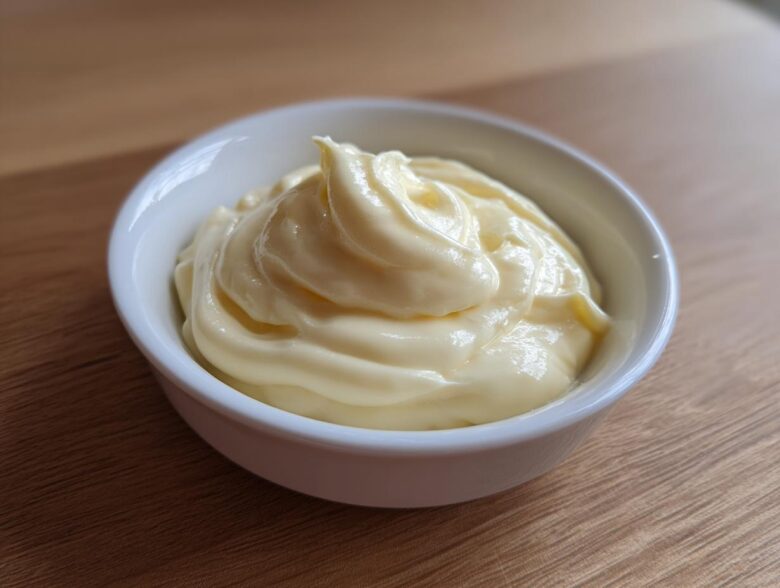
Oh, let me tell you something: once you taste truly fresh mayonnaise—the kind you just whipped up yourself—you realize everything else is just pale imitation! Seriously, those jarred tubs just don’t have that zesty pop. I used to be terrified of making my own, thinking emulsions were some kind of culinary witchcraft designed only for fancy chefs. I mean, who wants a runny, broken mess? But I cracked the code, and it’s honestly the easiest trick!
I’m sharing my absolute foolproof method for perfect homemade mayonnaise right here. We’re talking five ingredients—yes, only five!—and your trusty blender. In under five minutes, you’ll have the richest, smoothest condiment imaginable. I spend more time trying to decide what to smother this fresh creation on than I spend actually making it. Come see how simple it is to master this kitchen staple. You can peek at who we are over at our story if you’re curious about how we taste-test everything!
Why This 5-Ingredient Method Makes the Best Homemade Mayonnaise
If you think making things from scratch takes an entire afternoon, think again! This recipe demolishes that myth. It’s so amazing that I keep a batch of this flavorful delight in the fridge nearly all the time because it’s the ultimate fresh sandwich spread.
The reason it’s so fantastic is because it’s built on the idea of being approachable. We use a simple 5 ingredient mayo list, which means fewer things hanging around in your pantry that you don’t need for months on end. It’s built for the busy weeknight cook!
Achieving Rich Smooth Mayonnaise Texture
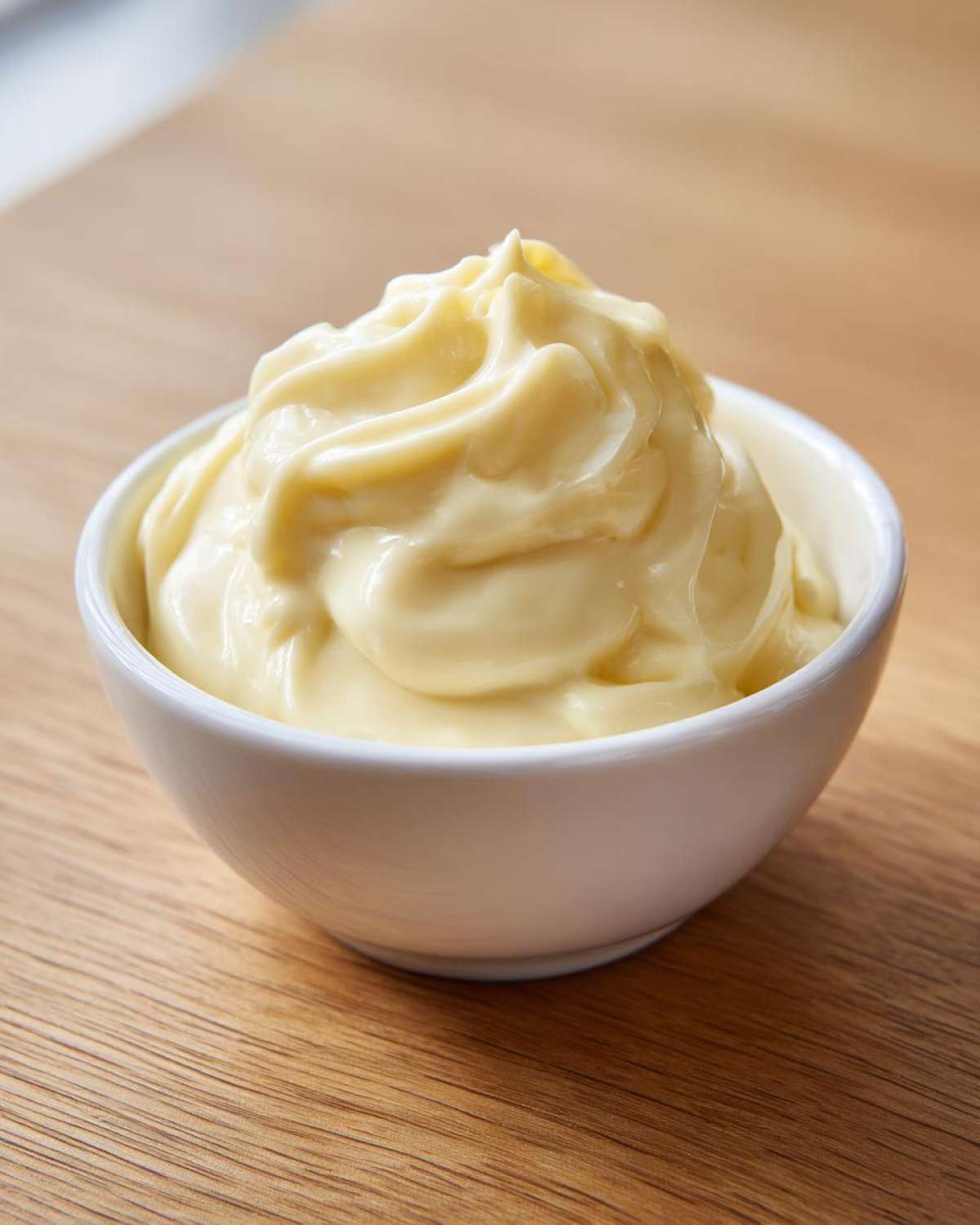
When you use a blender—especially an immersion stick blender—you are forcing that oil into the egg yolk at super high speeds. That intense friction and movement is what creates a strong, stable emulsion super fast. That is precisely how you get that unbelievably rich smooth mayonnaise texture that feels decadent without any cheating!
A Healthy Alternative to Jarred Mayo
Honestly, walking down the store aisle, I see all those preservatives and stabilizer gums they use to keep mayo fresh for a year. Yuck! When you make this at home, you get a true healthy alternative to jarred mayo because you know exactly what’s in it: fresh egg, good oil, and sharp acid. It just tastes cleaner, you know?
If you want to see how I use some of my other quick, fresh recipes, check out this Savory Cheddar Egg Oatmeal—it’s another quick win!
Essential Ingredients for Homemade Mayonnaise
The beauty of this recipe is how incredibly short the ingredient list is! We are sticking to just five things, and trust me, these are the ones that matter the most in creating your perfect emulsion. You absolutely must have one room-temperature egg, a teaspoon of Dijon mustard—don’t use the cheap yellow stuff here!—a little lemon juice, white wine vinegar, and the star: about a cup of neutral oil.
I know people like to see a formal list, but telling you about them conversationally helps you remember the *why* behind keeping them handy. Having these on hand means you can whip up a batch of this fantastic homemade mayonnaise recipe anytime you need a boost for a dish.
Ingredient Notes and Oil Selection
Listen closely, because this is where most people wobble! Every single ingredient needs to be room temperature—I mean it! If your egg or oil is cold from the fridge, your emulsion gets stressed out and just might break on you. Take things out about 30 minutes early, no excuses! For the oil, you need something delicate. Stick with canola or grapeseed oil. If you try to use bold olive oil, your mayo will taste like olives, and that overpowers everything we want to achieve for a great kitchen staple condiment.
The Quick Homemade Mayo Blender Recipe Instructions
Okay, you have your ingredients ready, they are all nice and cozy at room temperature—perfect! Now, we dive into the actual action. Forget fussy whisking or fiddling with stabilizers. We are using speed and power here, making this the fastest Cajun Shrimp Alfredo Pasta sidekick you ever made!
The whole process, start to finish, is truly about five minutes. I’ve timed it! That’s the beauty of the mayonnaise blender recipe method; it’s designed for speed and success.
Step-by-Step for Effortless Mayonnaise Making
Here is the deal. Take that room-temp egg, the Dijon, the lemon juice, and the vinegar, and dump them all into the jar of your immersion blender or your standard blender container. Give those guys a quick 10-second whiz just to get them acquainted. They need to be totally mixed up before they meet the oil.
Now comes the moment of truth! You MUST keep the blender running on medium speed. If you stop, it might not work! You’re going to start drizzling that neutral oil in—and I mean *drizzling*. Think of the thinnest possible stream you can manage. Don’t just dump it in! If you pour too fast, uh-oh, your emulsion totally breaks, and you’re left with oily soup. Keep that steady stream going.
As you drizzle, you will magically see the mixture change color and start to climb up the sides of the jar, getting thick almost instantly before your eyes. That is the reward for your patience with the stream! Once all that oil is in—and it takes about a minute of steady pouring—stop the blender. Congratulations, you just made perfect quick homemade mayo! Don’t forget to taste it and see if it needs a little salt and pepper before you tuck it away.
Tips for How to Make Mayonnaise Without Failing
Even though I said this blender method is failproof, sometimes life happens in the kitchen, right? Maybe your oil stream wasn’t quite as slow as you intended, or perhaps your egg was slightly too cold. No drama! The secret to becoming a true master of how to make mayonnaise without failing is knowing how to fix your mistakes. This is when you prove you know your stuff.
The biggest rule I always preach—and I mean this for all my mastering homemade sauces—is checking the temperature before you even start. If both the egg and oil are warm-ish, you’ve already won half the battle. If your mayo hasn’t thickened at all, stop adding oil immediately. Don’t just keep pouring!
Fixing a Broken Emulsion
If you look down and see a soupy, oily mess instead of thick white gold, take a deep breath. You have two solid options to rescue it. First, grab one fresh, room-temperature egg yolk (or use a clean teaspoon of Dijon mustard) in a new, clean bowl. Start blending that yolk slowly, and then—here is the trick—you drizzle your broken, oily mixture into the *new* yolk, instead of adding fresh oil. It acts as a new base!
If that seems like too much fuss, I have a last-ditch trick that shocked me the first time I tried it. Stop blending, measure out one teaspoon of super hot water (almost boiling), and add that to your broken mixture. Blend again fast. Sometimes that sudden heat shock shocks the fats back together. It works more often than it should!
Serving Suggestions for Your Homemade Condiment
Now that you have this glorious, thick jar of homemade wonder ready, what are you going to do with it? Honestly, I could eat this stuff with a spoon, but we have more respectable uses for our culinary achievement! My favorite use, naturally, is piling it high on a turkey or roast beef creation. Nothing tastes better than this fresh option when used as a primary mayonnaise for salads and sandwiches.
But please, don’t limit yourself to just slathering it on bread! You need to experiment with using this luxurious texture as a foundation for other things. I find it’s the absolute perfect base for a killer coleslaw dressing, or thinning it out just a tiny bit with some smoked paprika and garlic powder makes an unreal aioli. That becomes your go-to homemade dipping sauce base!
The fresh zing it brings makes everything feel brighter. Try mixing a dollop into tuna salad instead of the standard stuff—it makes a huge difference. Or, if you’re making something like my Chicken Caesar Wraps, substitute your store-bought dressing base with this mayo mixed with a little extra lemon and Parmesan; you won’t regret it.
If you want an amazing vegetarian option that really showcases the freshness, try making a Curried Chickpea Salad Sandwich using only this homemade goodness. It just lifts the flavor of every herb and spice you throw into it. Go ahead, get messy with it!
Storage and Shelf Life for Fresh Egg Mayonnaise
We’ve made magic, but like all truly fresh things, this homemade mayonnaise is temperamental! You can’t just leave it on the counter like the jarred stuff, because we skipped all those preservatives that keep the big companies happy. This is pure, fresh goodness, and it demands respect—meaning it needs to be kept cold, all the time.
You have to get this delicious creation into an airtight container right away and straight into the refrigerator. Think of it like keeping a nice piece of fresh fish; air is the enemy! Because we used a whole, fresh egg, this homemade condiment just doesn’t last as long as the stuff from the supermarket shelf. I know it’s hard to believe, but you really need to plan on using up your batch within about one week, max.
But here’s a little bonus tip I learned: that rich mayonnaise you just made will actually firm up quite a bit once it hits that cold fridge temperature. When it comes out of the blender, it feels thick, but after a few hours chilling, it gets even sturdier—sometimes almost too much! If you find it’s become rock solid for your tuna salad, don’t panic. Just let it sit on the counter for about 15 minutes before serving, or stir in literally a few drops of water or extra lemon juice to loosen it back up to that perfect, dollop-able consistency.
If you aren’t going to finish it in a week, I highly suggest checking out my tips on freezer-friendly breakfast sandwiches—while mayo isn’t ideal for freezing long-term, knowing how to preserve other homemade staples might interest you while this batch lasts!
Frequently Asked Questions About DIY Mayonnaise Recipe
I figured while you’re here, learning the secrets to making this incredible condiment, you might have a few nagging questions floating around about the process. Home cooks always do! I’ve compiled the things I hear most often, so we can get you making perfect easy mayonnaise from scratch every single time.
Can I use olive oil instead of neutral oil for my homemade mayonnaise recipe?
Oh, this is one I get about weekly! Look, technically, you *can* use olive oil, especially if you have some gorgeous artisan stuff sitting around. But here is the honest truth from my kitchen: I really, really advise against going 100% olive oil. It has such a sharp, sometimes bitter flavor that’s going to totally hijack your delicate mayonnaise. It’s really going to overpower whatever you put it on! If you absolutely must use olive oil for some reason—maybe you prefer a stronger flavor profile—I tell people to blend what you have with at least half clean, neutral oil like canola. That way, the flavor is softened significantly, and you still get that beautiful, sturdy texture you want.
What is the difference between this quick homemade mayo and store-bought versions?
The biggest difference, and why I insist you make it yourself, is the flavor and the shelf life, obviously! Store-bought jars are packed with things like EDTA or hidden sugars to keep them stable for months on the shelf, even after they’re opened. Our quick homemade mayo has none of that! It’s just pure egg, acid, and fat. The flavor is so much brighter and cleaner—it tastes like real food!
Because we’re making a fresh egg mayonnaise here without those stabilizers, it tastes intensely fresh, making it the best carrier for eggs in potato salad or as a simple aioli. But remember, because it’s so fresh, it only lasts about a week in the fridge. It’s a trade-off: incredible flavor for a short lifespan. Definitely check out our site policy if you have any questions about how we handle personal data!
Estimated Nutritional Data for This Kitchen Staple Condiment
Now, I’m not a nutritionist—I’m just a cook who loves delicious food! But I know when you’re making something like this magnificent spread, you want to have a general idea of what you’re eating. Remember, this is just a rough guide to what you’re seeing pop out of the blender, based on the five core ingredients we used and assuming about 16 servings per cup.
Because this recipe is basically pure fat (the healthy kind, bound up with an egg!), the calorie count is going to look high, but remember, no sugar and no funny additives! It’s essentially the purest way to enjoy fat as a binder for your salads and sandwiches. If you want to see the legal side of how we present this kind of information, you can always check out our general site disclaimer.
Here’s the breakdown for a two-tablespoon serving size, making this a genuine kitchen staple condiment when used thoughtfully:
- Serving Size: 2 tablespoons
- Calories: About 180
- Fat: 20g (Mostly Unsaturated Fat, which is great!)
- Saturated Fat: Only 2g
- Trans Fat: 0g (Hooray!)
- Carbohydrates & Fiber: 0g (Perfect for Keto friends!)
- Protein: 1g
- Sodium: Around 50mg (We didn’t even add salt yet!)
- Cholesterol: 45mg
See? Zero sugar! That’s the power of making your own DIY mayonnaise recipe. You control every single bit of what goes into your body. Pretty amazing for something so rich, right?
Share Your Experience Making This Condiment Recipe
Now that you’ve seen how incredibly fast it is to make this perfect, luscious homemade mayonnaise, I absolutely need to hear about it! Did it thicken up perfectly on the first try? Were you shocked at how easy the blender method was? Don’t keep that success a secret from the rest of us!
Drop a comment below right now. Seriously, tell me your favorite way to use your fresh batch! Are you making a massive batch of potato salad? Did you elevate your favorite burger? I love hearing how you all use these kitchen staple condiments in your own homes.
If you loved this simple technique for whipping up a perfect emulsion, please give the recipe a star rating up top—it helps other cooks feel confident taking the plunge! And if you have any final questions about ingredient swaps or ratios, fire away. You can always reach out directly through our contact page if you need anything else!
PrintQuick & Easy 5-Ingredient Homemade Mayonnaise Recipe (Blender Method)
Make rich, smooth mayonnaise from scratch using only five simple ingredients in your blender. This method is quick and reliable for achieving a thick, creamy texture.
- Prep Time: 5 min
- Cook Time: 0 min
- Total Time: 5 min
- Yield: About 1 cup
- Category: Condiment
- Method: Blending
- Cuisine: American
- Diet: Gluten Free
Ingredients
- 1 large egg, room temperature
- 1 teaspoon Dijon mustard
- 1 teaspoon fresh lemon juice
- 1/2 teaspoon white wine vinegar
- 1 cup neutral oil (like canola or grapeseed), room temperature
Instructions
- Place the egg, Dijon mustard, lemon juice, and vinegar into the jar of an immersion blender or a standard blender.
- Blend these ingredients together for about 10 seconds until they are combined.
- With the blender running on medium speed, slowly drizzle the oil into the mixture in a very thin, steady stream. This slow addition is key to emulsification.
- Continue blending and slowly adding oil until all the oil is incorporated and the mixture thickens into mayonnaise. This usually takes 1 to 2 minutes.
- Stop the blender. Taste the mayonnaise and add salt and pepper if desired (optional step).
- Transfer the finished mayonnaise to an airtight container and refrigerate. It will thicken further as it chills.
Notes
- Use room temperature ingredients; cold ingredients increase the risk of the emulsion breaking.
- If the mayonnaise seems too thick, you can whisk in a few drops of water or lemon juice to reach your desired consistency.
- If the mixture does not thicken, stop adding oil, add one teaspoon of hot water, and blend again.
- Store homemade mayonnaise in the refrigerator for up to one week.
Nutrition
- Serving Size: 2 tablespoons
- Calories: 180
- Sugar: 0
- Sodium: 50
- Fat: 20
- Saturated Fat: 2
- Unsaturated Fat: 18
- Trans Fat: 0
- Carbohydrates: 0
- Fiber: 0
- Protein: 1
- Cholesterol: 45